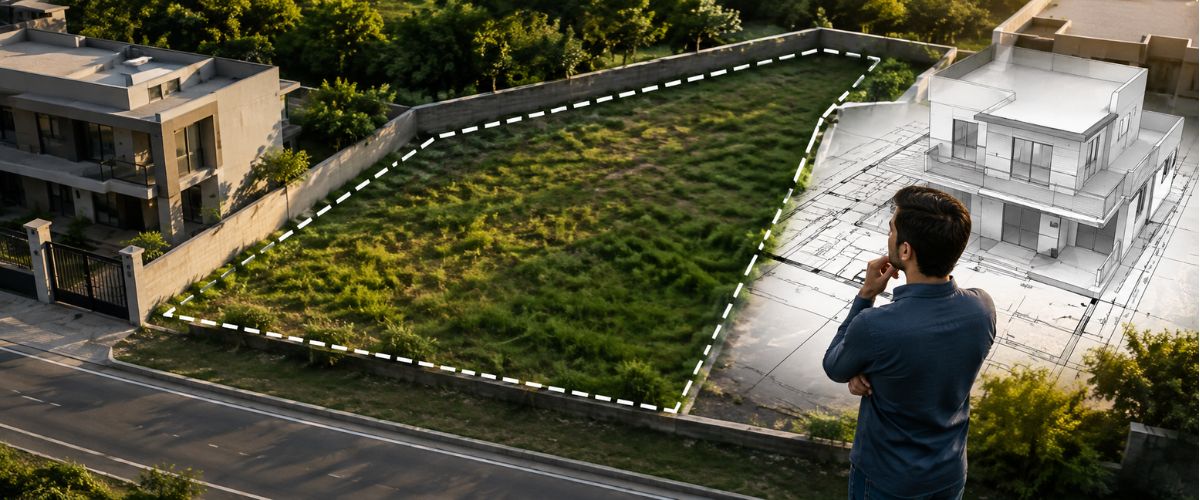
Buying a residential plot is one of the safest long-term investments in real estate, but an empty plot comes with a responsibility that many buyers overlook — protecting it from encroachment. Whether you live in another city or abroad, an unmonitored plot can quickly become a target for illegal occupation, boundary disputes, or unauthorised construction. This article explains why vacant plots are vulnerable and what practical steps an owner can take to keep the land secure.
An empty plot with no boundary wall, no regular visits, and no visible ownership markers is far more likely to attract encroachment than a plot that shows active use. Encroachers often assume that an unoccupied plot has been abandoned, and they act on this assumption when there is no sign of the owner's presence.
NRI-owned plots are particularly common targets because local encroachers know the owner cannot visit frequently to check on the land or respond quickly if something goes wrong. The distance and infrequent visits make such plots an easier target compared to those owned by residents living nearby.
Encroachment is different from illegal construction, and understanding this distinction matters. Encroachment usually starts small, such as a neighbour shifting a boundary wall by a few feet or someone using part of the land for storage or informal use. Left unchecked, this can escalate into a full takeover of the plot, including unauthorised structures being built on it.
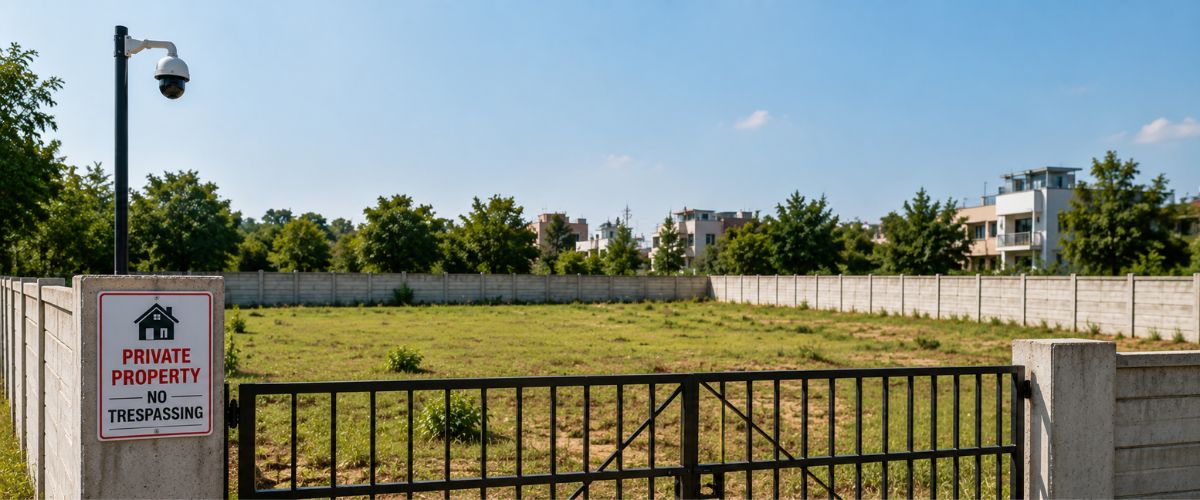
Constructing a boundary wall or fence around the plot as soon as possession is taken is one of the most effective ways to prevent encroachment. A physical boundary immediately signals ownership and makes unauthorised entry far more difficult compared to an open, unmarked plot.
Installing a clearly visible signboard with the owner's name, plot number, and a warning against trespassing adds another layer of deterrence. This simple step makes it clear to anyone passing by that the land is owned and monitored.
For plots in high-risk or fast-developing areas, installing a basic CCTV camera with remote access, or hiring a part-time security guard, is a practical option even for owners who visit rarely. Remote access to camera footage allows an owner to check on the plot from anywhere.
Regular maintenance of the plot, including clearing overgrowth and repairing damaged fencing, keeps it looking actively owned rather than abandoned. A well-maintained plot is far less likely to be mistaken for unclaimed land.
Keeping mutation records updated in revenue documents ensures that ownership is reflected accurately in government records. This reduces the chances of disputes and strengthens the owner's legal position if a claim ever arises.
Paying property tax on time creates an official paper trail that reinforces legal ownership year after year. These payment records often serve as supporting evidence of continued ownership in case of a dispute.
Assigning Power of Attorney to a trusted family member or relative allows someone to act quickly on legal or administrative matters when the owner cannot visit often. This ensures there is always someone authorised to respond on the owner's behalf if an issue arises.
Maintaining a registered will or succession documents is equally important, especially for jointly owned or inherited plots. Clear succession documentation prevents ownership ambiguity that encroachers could otherwise take advantage of.
Hiring a local caretaker to visit the plot periodically and report any unusual activity is one of the simplest ways to stay informed without being physically present. A caretaker can flag problems early, before they escalate into a bigger dispute.
Several property management companies now offer dedicated plot monitoring services, including periodic site visits, photo updates, and maintenance coordination. These services are especially useful for owners living outside the city or country who need reliable, professional oversight.
Maintaining a good relationship with neighbours near the plot is one of the most underrated safeguards. Neighbours are often the first to notice unauthorised activity and can alert the owner well before the situation worsens.
Staying in touch with local authorities such as the village patwari or the local Resident Welfare Association helps owners stay informed about developments concerning their land. These local contacts often have early knowledge of disputes or encroachment attempts in the area.
Gathering documentary proof of ownership is the first step once encroachment is suspected. This includes the sale deed, mutation records, and updated land records such as khasra or khatauni copies, which establish clear legal ownership.
Filing a police complaint (FIR) formally records the incident and creates an official record of the encroachment. This step also acts as a deterrent, signalling to the encroacher that the owner is actively pursuing the matter.
Filing a civil possession suit becomes necessary if the encroachment continues, as this is the legal route to reclaim the land through the court. A possession suit allows the owner to seek a formal court order for removal of the encroachment.
Resolution timelines for such cases vary depending on the complexity of the dispute and the local court backlog. Early action and proper documentation significantly improve the chances of a faster and more favourable outcome.
Conclusion
A vacant plot requires the same level of attention as any other asset. Combining physical security measures with updated legal documentation and reliable local monitoring is the most effective way to protect land from encroachment, whether the owner lives nearby or thousands of miles away.