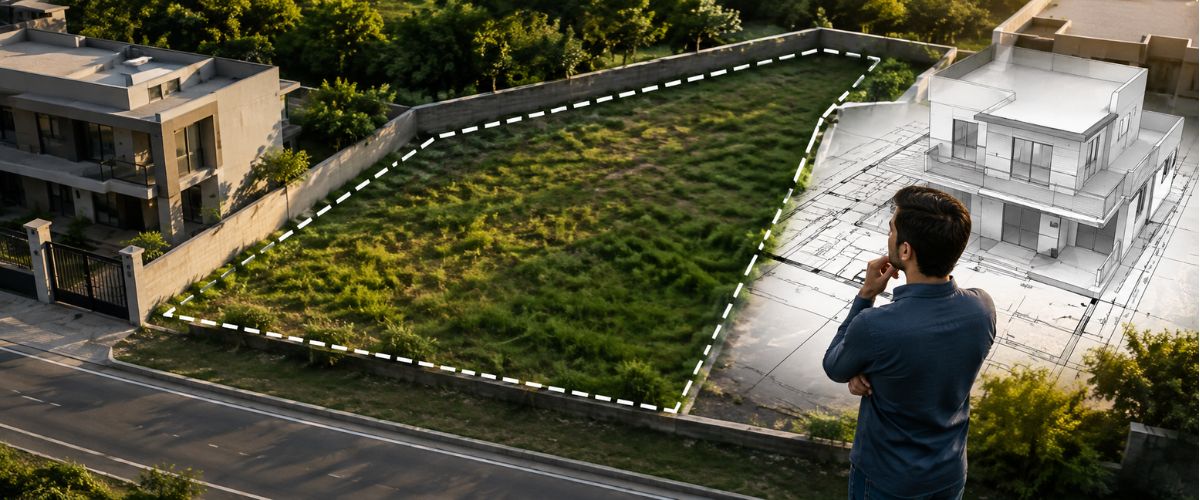
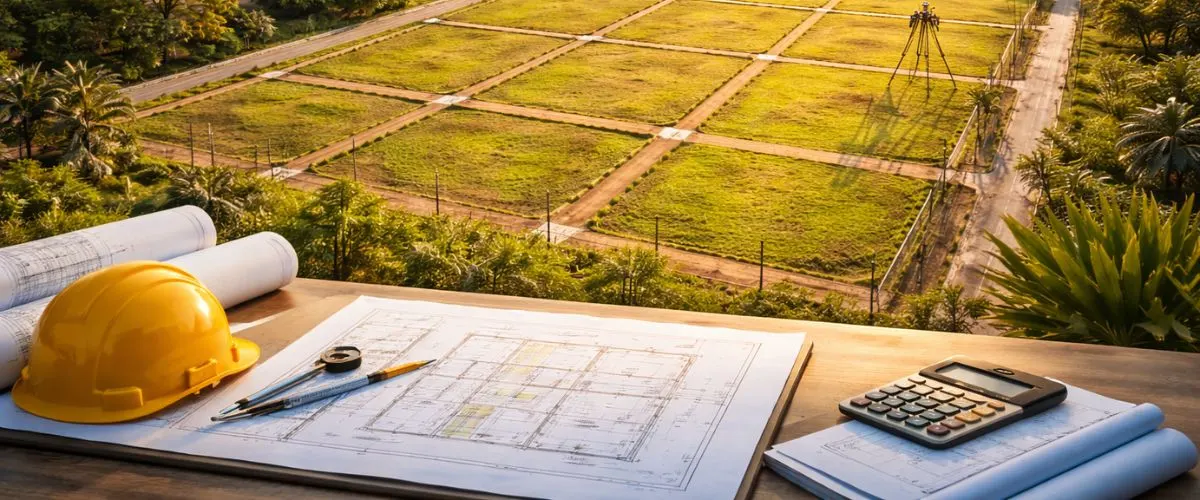
Purchasing land can be one of the best investments, whether it provides long-term investment value or simply a site to create your ideal residence. Delhi NCR real estate market can be overwhelming, making it critical to have the right information and plan before proceeding with this important decision. So, here are some practical suggestions for purchasing plots in Delhi NCR, helping you to take informed, safe, and effective decisions about your property.
As soon as you have identified a plot that meets your requirements, make sure to identify your purpose in advance. This will enable you to:
a)Build your residence
b) Make an investment for the Future
c) Develop the land for business purposes.
Your purpose will dictate where, what size, and what type of plot you will need to consider. Once you have identified your purpose, it is important to establish a clear budget that includes all associated costs. This includes:
a) Cost of the plot
b) Registration/stamp duty fees
c) Legal fees
d) Brokerage commission (if applicable)
e) Development or infrastructure charges (if applicable)
Hidden costs will often catch buyers off guard, so budgeting an amount to cover approximately 5% - 8% of the property's purchase price will help alleviate any unforeseen financial pressures during the purchasing process.
As with all real estate transactions, when buying a plot in Jewar or Delhi NCR, the site's location is extremely important. NCR encompasses Delhi, Noida, Greater Noida, Ghaziabad, and nearby metropolitan areas like Faridabad and Gurgaon - all of which have their own unique infrastructure, growth trajectories, pricing, and future growth potential.
When selecting a potential site to purchase, important factors to take into consideration include:
Selecting the optimal location for your plot will simplify your daily life and ultimately improve the resale or rental value of the property.
A very important consideration for anyone planning on purchasing a plot of land in Delhi NCR is to ensure that the property you are considering has a clean legal history, in order to minimize your chances of having to deal with legal complications in the future.
When researching the legal history of a plot, it’s essential to verify the following items:
Make sure you know who is selling the plot. Genuine sellers will provide:
Avoid deals where power of attorney (PoA) is used for the transfer unless you fully understand the legal implications and risks. PoA-based sales can be risky and complicated. Always aim for a registered Sale Deed directly in the buyer’s name.
Photo shoots and online listings represent a snapshot in time. The only definitive way to assess what you are purchasing is to take a physical site inspection where you will determine whether:
Surrounding properties and neighbourhood — including the legality of adjoining land, if there are any issues related to fence encroachments, for example, or other issues relating to environmental damage.
The results of the physical inspection will provide you with vital information about the plot that the documentation alone would not provide.
Although shape and layout are usually considered to be minor aspects of a plot, they are both critical when it comes to construction and future use:
Choose square or rectangular shapes — these are more cost-efficient and easier to construct.
Avoid any irregular shapes, particularly ones that have cut corners and/or long narrow extensions.
Determine how the orientation of the plot correlates with Vastu and/or the direction of sunlight and wind, as it is likely to have an impact on a future resale value.
Future growth is crucial, especially if the plot is an investment. Areas with strong infrastructure, such as expanding metro lines, highways, hospitals, and schools, often show better value growth.
Examples of developing areas in NCR include:
Be cautious of offers that seem too good to be true for unapproved lands near major projects. Authorities have recently cracked down on illegal plot sales around areas like the Noida International Airport to protect buyers.
When buying a plot in Delhi NCR, it's crucial to understand taxes like:
In India, stamp duty and registration charges usually total about 5 to 8% of the plot price. Taking care of these obligations early ensures clear ownership and helps avoid future legal problems.
Unlike loans for residential flats, plot loans can be tougher to get and generally have stricter terms:
Always compare financing options, interest rates, and repayment terms to find the best deal. Check whether the plot is RERA-registered; this affects loan eligibility and legal assurance.
Real estate agents, legal advisors, and surveyors can offer insights you might miss:
Agents help you find reputable projects and understand market trends
When buying from a developer or builder:
Ensure all agreements are written, stamped, and registered:
Keep copies of all documentation — both digital and physical — for future reference.
Conclusion
Following these tips for buying a plot in Delhi NCR, from legal checks and site inspections to financial planning and expert guidance, will significantly reduce risk and help you secure a valuable asset for the future. Whether you’re buying for personal use or investment, staying informed and cautious is essential.